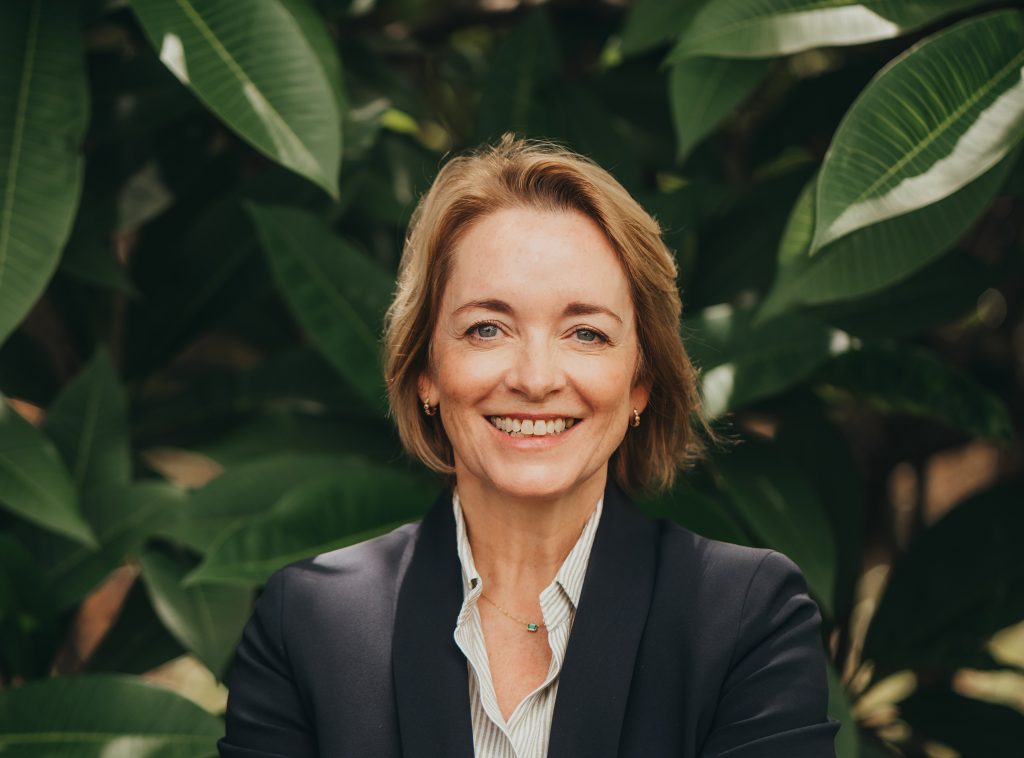
For decades, the world of surgery was defined by a language of “correction.” It was a field focused on the singular—fixing a specific flaw, changing a feature, or attempting to pause the clock. However, a fundamental shift is occurring in how we perceive our bodies and our longevity. We are moving away from the era of the “quick fix” and entering an age of intentionality. Today, patients are no longer just looking for a physical change; they are looking for a state of being. This evolution in expectations is the foundation of a new era in healthcare. When we look at why the dialogue has changed, it becomes clear that the modern patient is far more sophisticated and self-aware than in years past. Raphael Bax, Director of the Centre de Chirurgie Esthétique de l’Océan Indien, observes that the motivation for treatment has moved inward.
“Patients today are thinking less about ‘fixing a flaw’ and more about ageing well and feeling good long-term,” Raphael explains. “They are more informed and more conscious of their overall wellbeing. They understand that appearance is closely linked to health, confidence and longevity. Instead of quick fixes, they are looking for balanced, long-term solutions that help them age well, feel good in themselves and maintain a natural, healthy appearance over time.” This internal shift is reflected on a global scale. While data from the Global Wellness Institute suggests a massive surge in the wellness economy, the true story isn’t found in market valuations, but in the changing lifestyle choices of individuals. We are seeing a transition where the lines between clinical care and holistic health are permanently blurring. In this new landscape, the geography of care has become as important as the clinical procedure itself.
Mauritius has emerged as a unique sanctuary within this movement, offering a rare intersection of clinical excellence and a restorative environment. The Indian Ocean is not merely a scenic backdrop; it is a functional part of the recovery process. “Mauritius offers a unique balance between medical quality and environment,” says Raphael. “Patients can access high-standard care while being in a calm, and restorative setting. The Indian Ocean naturally supports recovery, privacy and personalised care, which are increasingly important for patients seeking a more complete and reassuring experience.”
However, as wellness becomes a dominant global industry, a critical challenge arises: how do we prioritise medical expertise and formal qualifications in a rapidly commercialising world? With a vast amount of “noise” and trendy promises available online, the distinction between medically grounded healthcare and unverified therapeutic methods has never been more vital. In an era where wellness is often commodified, clinical standards must remain the primary guide.
Raphael believes that rigorous medical training and professional qualifications are the ultimate differentiators that separate established medical centres from unregulated alternatives. This is not just a trend; it is a professional responsibility. “What will always make the difference is a foundation of medical expertise,” he asserts. “It acts as a safeguard for the patient, ensuring that every intervention is rooted in science and professional duty.”
By placing ethics at the forefront, the Centre positions itself not merely as a provider of aesthetic services, but as a credible, medically grounded response to the industry’s evolution. It acts as a safeguard for the patient, ensuring that every intervention is rooted in science. This commitment to the “long view” is further enhanced by the role of modern technology. We often think of innovation as something cold or mechanical—precision imaging and advanced surgical tools. Yet, when applied with a patient-centric mindset, technology actually serves to make medicine more human. It provides the data that allows a practitioner to be more consistent and better informed, but it should never replace the seasoned intuition of a doctor.
A practical application of this approach is found in the use of Navident within dental implantology. As a dynamic navigation system, it acts as a digital guide for the surgeon, providing real-time, 3D mapping of the patient’s unique anatomy during a procedure. Rather than replacing the clinician’s skill, this technology provides the data necessary to place implants with a level of accuracy and predictability that supports long-term outcomes. It is a clear example of how innovation, when guided by professional expertise, ensures that treatment remains grounded in precision and patient safety.
“Technology allows us to be more precise, more consistent and better informed in our decisions,” Raphael notes. “But it should always support, not replace, clinical judgement. The human aspect—listening, understanding and guiding the patient—remains essential. The right balance is using innovation to enhance care, while keeping medicine deeply personal.” Ultimately, the goal is to act as a bridge between surgical precision and a global desire for a higher quality of life. By focusing on “ageing well” rather than “fixing,” the conversation moves beyond the surface. It acknowledges that when we feel good in our skin, we are better equipped to engage with the world with confidence. In the restorative environment of Mauritius, this isn’t just a trend; it is a new standard for how we choose to live, how we heal, and how we age.